Planning a school camp is an exciting opportunity for students to learn, connect and grow outside the classroom. But behind every successful camp is careful preparation, especially when it comes to safety.
A clear and thorough school camp risk assessment is not just a requirement for approval, it is an essential part of creating a safe and well-managed experience for everyone involved.
For teachers and organisers, understanding what a risk assessment involves can make the planning process much smoother and give confidence to both schools and parents.
Why risk assessments matter for school camps
School camps involve a range of activities, environments and group dynamics that are different from everyday school settings.
From outdoor activities to accommodation and catering, there are multiple factors to consider. A risk assessment helps identify potential hazards and outlines how those risks will be managed.
A perfect place to run a school camp is one where safety is built into every part of the experience, not treated as an afterthought.
What should be included in a school camp risk assessment
While every school and camp is different, most risk assessments will cover several key areas.
- Activity safety and supervision
- Accommodation and site layout
- Transport and arrival procedures
- Food safety and dietary management
- Emergency procedures and communication
- Medical needs and student wellbeing
Each of these areas should outline potential risks, the likelihood of those risks and the steps in place to reduce or manage them.
Assessing activity risks
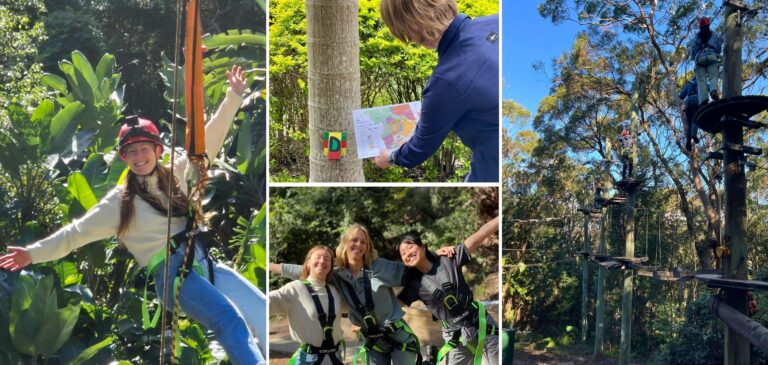
Activities are often the highlight of a school camp, but they also require careful planning.
When reviewing a venue, consider:
- Are activities supervised by trained staff?
- Are safety briefings provided?
- Is equipment maintained and checked regularly?
- Are activities suited to the age and ability of students?
A perfect place to challenge students is one where activities are both engaging and carefully managed to ensure safety at every stage.
You can explore structured and supervised activities at The Collaroy Centre activities page.
Evaluating accommodation and site safety
The layout and design of a venue can have a big impact on supervision and overall safety.
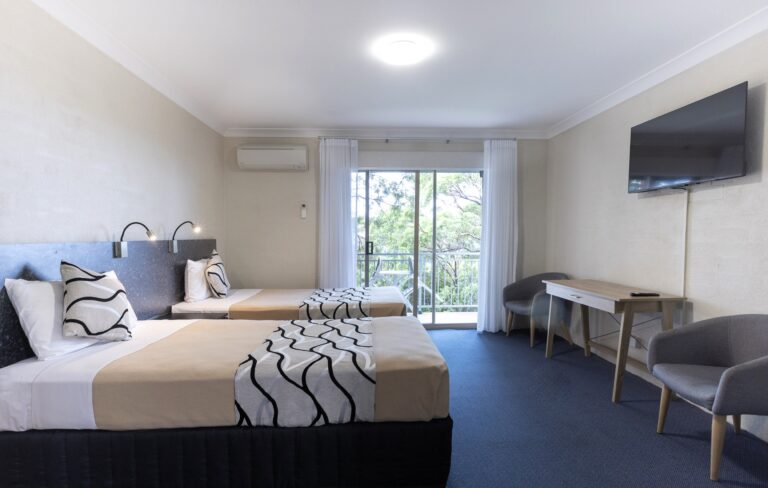
Look for accommodation that supports group management, with clear visibility, accessible facilities and logical layouts that make it easier for teachers to monitor students.
A perfect place to stay is one where accommodation is designed with groups in mind, helping teachers feel confident and in control.
Learn more about group accommodation at Accommodation Options.
Managing food safety and dietary requirements
Food safety is a critical part of any school camp risk assessment.
Venues should have clear systems in place to manage food preparation, storage and service, as well as processes for handling dietary requirements and allergies.
Ask how dietary information is collected, how meals are prepared and what steps are taken to prevent cross-contamination.
A perfect place to dine is one where every student is catered for safely and inclusively.
You can find more information on this at Dietary Restrictions and Allergies.
Emergency procedures and communication
Clear communication and emergency planning are essential components of risk management.
Schools should understand how a venue handles emergencies, including evacuation procedures, medical incidents and communication with staff and families.
A well-prepared venue will have documented procedures and experienced staff who can respond quickly and effectively if needed.
Supporting schools with documentation and planning
Preparing a school camp risk assessment can be time-consuming, especially when multiple approvals are required.
Choosing a venue that provides clear documentation, policies and support can make the process much easier.
A perfect place to plan a school camp is one where resources are readily available and aligned with school requirements.
The Collaroy Centre offers a range of helpful forms and resources to support schools through the planning and approval process.
Building confidence for teachers and parents
A strong risk assessment does more than meet compliance requirements. It builds confidence.
Teachers can focus on delivering a great experience, knowing that systems are in place to support safety. Parents feel reassured that their children are in a well-managed environment.
A perfect place for a school camp is one where safety, care and support are clearly demonstrated from the very beginning.
A perfect place to plan a safe and successful school camp
At The Collaroy Centre, safety and care are built into every aspect of the experience.
From supervised activities and group-friendly accommodation to food safety and planning support, the Centre works alongside schools to help create safe, engaging and memorable camps.
Whether you are preparing your first school camp or refining your process, having the right venue can make all the difference.
To learn more about planning your next camp, visit School Camps at The Collaroy Centre or get in touch with the team.